
Cable trays are easy to overlook when planning an electrical project because attention naturally goes to transformers, switchgear, panels, cables, and equipment. Yet the route supporting those cables can affect installation efficiency, maintenance access, organization, and future expansion.
For industrial and commercial projects in Uttar Pradesh, selecting a suitable GI Cable Tray Supplier in Greater Noida starts with understanding where galvanized iron cable trays fit into the overall electrical infrastructure.
What Makes GI Cable Trays Practical
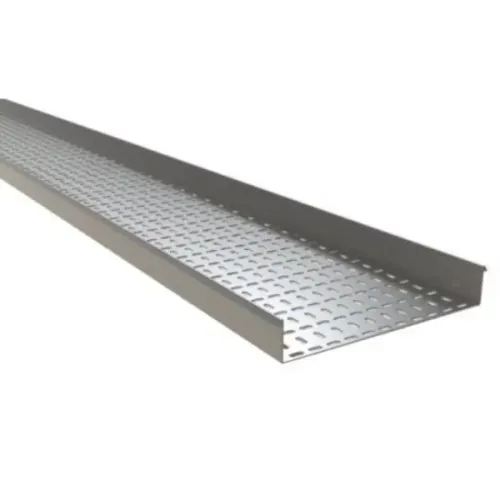
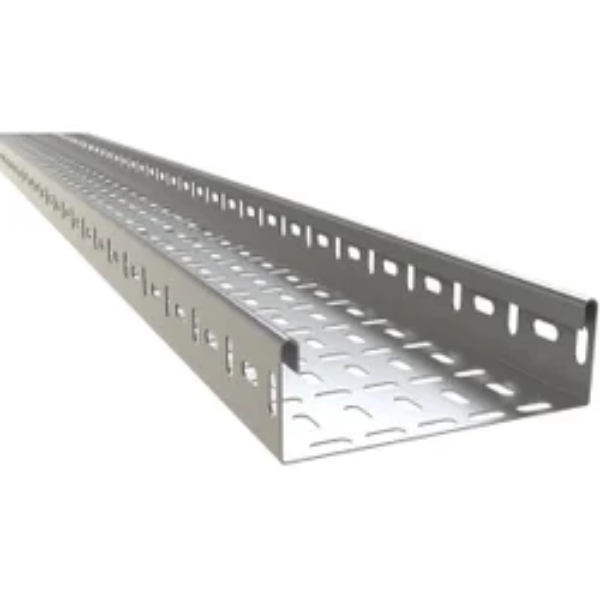
GI cable trays provide a structured route for carrying electrical and related cables through buildings and industrial facilities. Galvanized surfaces offer corrosion protection compared with untreated steel, although the required protection level depends on the operating environment and galvanizing method.
They may be used in applications such as:
- Industrial production facilities
- Warehouses and logistics centres
- Commercial buildings
- Electrical rooms
- Utility areas
- Infrastructure projects
- Institutional buildings
- Plant service areas
The final specification should always reflect the actual installation conditions.
Tray Type Should Follow Cable Requirements
GI cable tray is a broad category rather than one single design.
Perforated trays provide continuous cable support with openings for ventilation. Ladder-type systems use longitudinal side rails connected by rungs and are commonly considered for heavier cable runs. Other configurations may be selected according to project drawings and cable-management requirements.
Choosing between these arrangements should be based on cable loading, routing, support intervals, accessibility, installation environment, and consultant specifications.
Galvanized Finish Needs Proper Evaluation
Not every project has the same corrosion exposure.
A tray installed inside a relatively controlled commercial building faces different conditions from one positioned in an outdoor utility area, humid industrial zone, or environment exposed to aggressive contaminants.
Project teams should therefore confirm the required material and surface treatment rather than assuming that every galvanized tray provides identical protection.
This distinction is particularly important for EPC and infrastructure projects where the cable management system is expected to remain serviceable for many years.
Why Supply Coordination Matters
Cable trays rarely arrive on a project as isolated straight lengths. Real routes need bends, tees, reducers, couplers, supports, fasteners, covers, and other components.
If these components are considered late, site teams may face unnecessary fabrication work or installation delays.
A capable GI Cable Tray Supplier in Greater Noida should be able to understand requirements from specifications, schedules, BOQs, and drawings so that the main tray sections and associated components can be planned together.
Think About Expansion Before Installation
Industrial facilities rarely remain exactly as they were on commissioning day.
Additional machinery, automation systems, instrumentation, CCTV, networking equipment, utility systems, and electrical loads can create new cabling requirements.
Providing appropriate spare capacity during initial planning may make later modifications easier. This does not mean selecting an unnecessarily oversized tray. It means evaluating expected cable fill and realistic future additions during design.
S.V. Metals & Extrusions Pvt. Ltd. serves cable-management requirements for electrical contractors, industrial customers, MEP teams, distributors, and project companies operating in Greater Noida and the surrounding Delhi NCR market.
A well-selected GI cable tray system should ultimately make cable routing predictable, accessible, and suitable for the installation environment. When tray type, dimensions, coating, supports, and accessories are evaluated together, the system becomes a functional part of the electrical design rather than an afterthought.