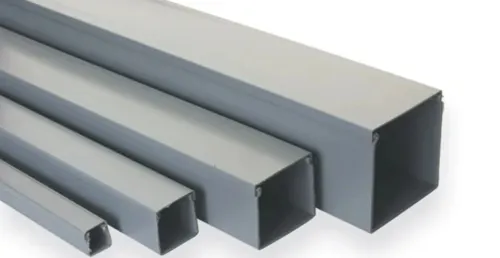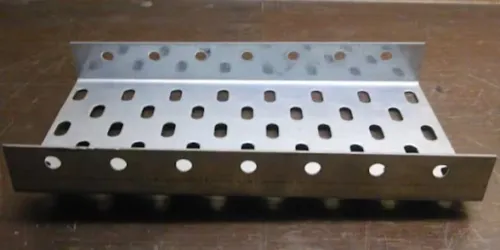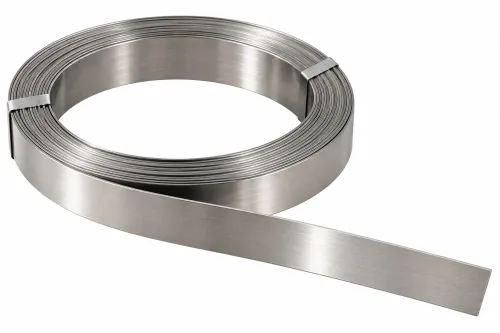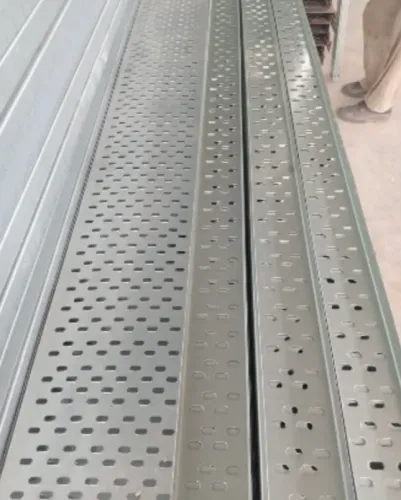
A low price and a catalogue photograph do not prove that a raceway dealer can support your installation. You need to verify the supplier’s role, calculate the actual cable and structural requirements, match the material to the environment, and secure a complete, traceable system before placing the purchase order.
Key takeaways
- Ask for manufacturer identity, test reports and project references before comparing prices.
- Check cable fill, tray dimensions, support spans and structural load calculations.
- Match raceway material and finish to corrosion, temperature, moisture and cable conditions.
- Specify fittings, bonding, drawings, delivery documents and site support in the purchase order.
Qualify the dealer before comparing quotations
Before comparing prices, use a raceway dealer qualification checklist that tests whether the supplier can deliver and support the specified system, not merely quote a tray.
1. Verify the dealer’s legal business name, GST registration, office address, plant location and named project contact. Ask who will issue the invoice, inspection records and warranty; an intermediary who cannot identify these responsibilities is a delivery risk.
2. Establish whether the supplier is a manufacturer, stockist or fabricator. A stockist suits standard sections available from inventory; a manufacturer can provide controlled product data and batch traceability; a fabricator is needed for project-specific bends, supports or non-standard dimensions. Confirm which role applies to every quoted item.
3. Ask for stock reports, production capacity, standard lengths, dispatch lead times and evidence of previous installations of comparable scale. Request two client references that can confirm delivery performance, dimensional consistency and response to shortages or damaged material.
4. Require the governing standard for the system: IEC 61537 for cable-tray and cable-ladder systems, IEC 61386 for conduit, or IEC 61084 for cable-trunking and ducting. Obtain the manufacturer’s load-versus-span table for the exact material, thickness, width, side-rail height, splice arrangement and support spacing.
5. Confirm the inspection process and supporting records. It must address splice-plate continuity, bonding across joints and expansion joints, compatible fittings, and whether the tray may serve as an equipment grounding conductor. For seismic, vibration or high-wind sites, demand anchor and bracing details, not just a catalogue load rating.
Get one named after-sales contact for replacements, site queries and commissioning support.
Match raceway dimensions, cable fill and structural loading
Require a dimensioned drawing before accepting a quotation. Confirm that the proposed raceway fits the installation and leaves capacity for the listed cables, not merely that its outside dimensions look adequate.
- Confirm section width and height, standard length, cover types, side wall thickness, base thickness, usable internal area and bend radius.
- Submit the cable schedule showing each cable’s quantity and outside diameter, then calculate cable fill and spare capacity for planned additions.
- Provide the manufacturer’s load-versus-span table for the exact width, side-rail height, material, thickness, splice arrangement and support spacing. A rating at 1.5 m supports does not apply automatically at 2.4 m.
- State whether the quoted load includes cables, covers, barriers, spare capacity and concentrated loads. A linear-load figure does not prove capacity for a transformer, pulling force or a worker standing on the raceway.
- Request separate fill and ampacity calculations. Fill can pass while grouped cables still require derating from mutual heating, enclosure temperature, sunlight or loaded conductors.
- Confirm that fill rules cover the actual cable construction: single-conductor, multiconductor, bare or mixed cables. A generic “50% fill” statement is not enough.
Where the raceway crosses a fire-rated wall or floor, require a tested penetration-sealing system for that construction, cable loading, raceway arrangement and seal depth. Ordinary fire-retardant foam does not preserve the rating. Undersized supports, excessive spans or a wrong bend radius can damage cables after installation.
Choose the system for its environment and cable type
Start with the exposure, then match the enclosure to the cable’s thermal and mechanical needs. A coastal environment, chemical exposure, standing water, ultraviolet light, snow or wind can defeat an indoor finish. Ask the dealer for the corrosion classification, coating thickness or material-grade evidence, and compatibility advice for fasteners, splice plates and supports.
| Option | Best fit | Cable and thermal effect | Evidence to request |
|---|---|---|---|
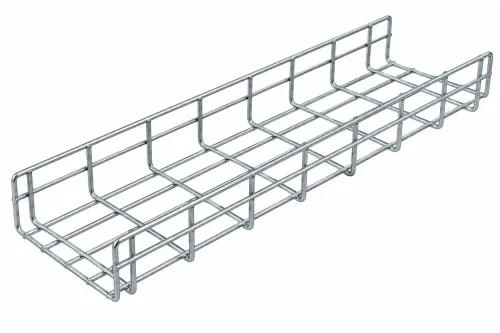
| Pre-galvanized steel | Dry indoor areas with limited exposure | Perforated cable tray provides ventilation for ordinary power and control cables | Coating thickness and approved repair method for cut edges and drilled holes |
| Hot-dip galvanized steel | Outdoor or damp installations | Suitable for heavier sections when drainage and expansion are designed | Post-fabrication coating thickness and repair specification |
| Stainless steel | Severe chemical exposure or salt contamination | Strong corrosion resistance without relying on a coating | Grade, such as 304 or 316, plus fastener compatibility |
| Painted mild steel with powder coating | Controlled indoor environments | Finish protects the surface but does not replace thermal clearance | Paint system, thickness and touch-up procedure |
| Aluminium | Low-weight installations and selected corrosive environments | Good heat dissipation, but check strength, expansion and galvanic compatibility | Alloy, thickness and isolation details |
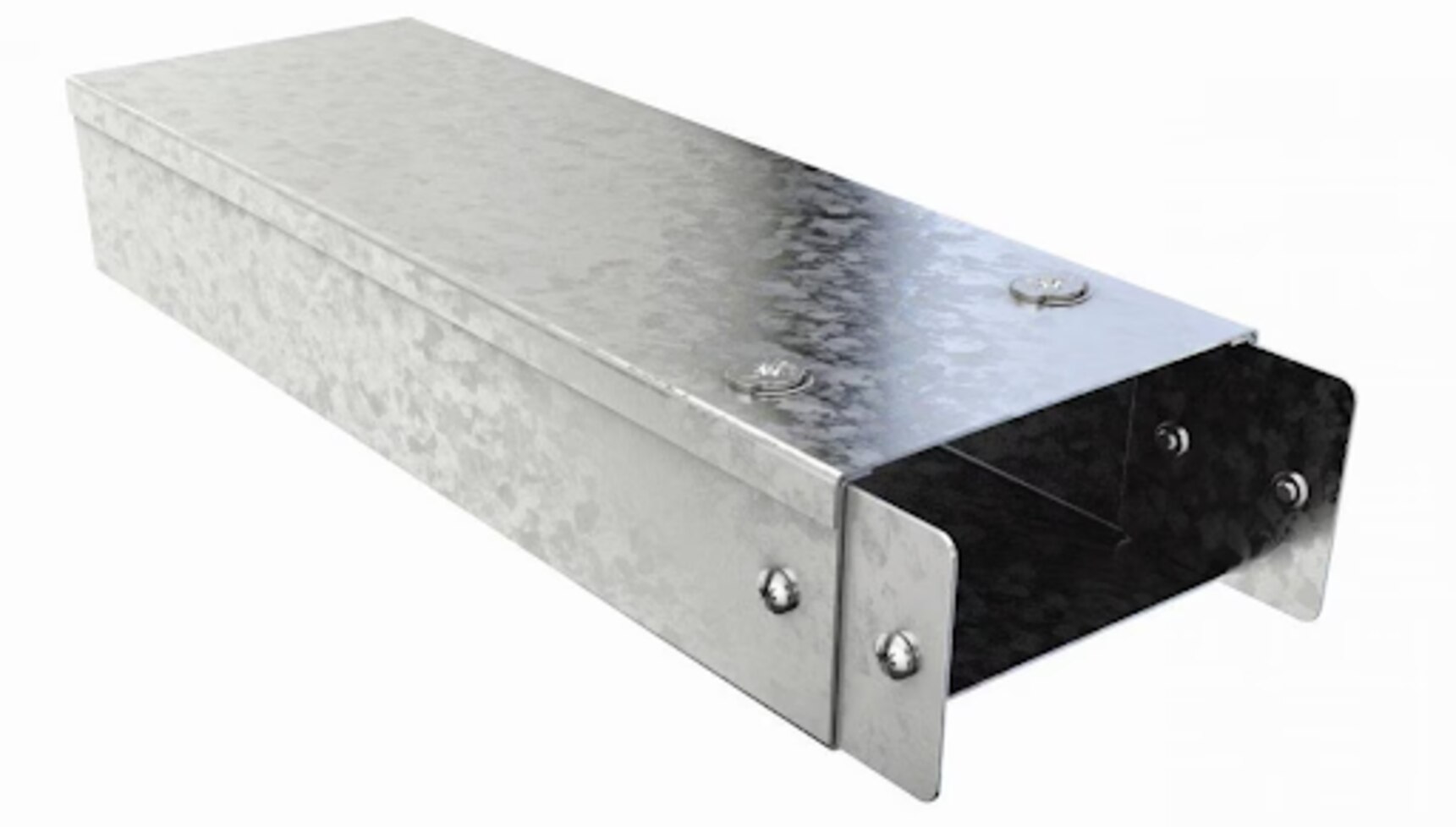
| Solid-bottom raceway | Small, vulnerable or shielded cables | Protects cables but restricts ventilation; provide drainage and check heating | Drainage design and ampacity calculation |
| Ladder cable tray | Large power cables | Maximum ventilation and heat dissipation | IEC 61537 rating and cable support spacing |
Do not mix stainless steel, galvanized steel, aluminium and copper casually in wet conditions; galvanic corrosion can follow. Require separate fill and current-carrying-capacity calculations, including sunlight, enclosure temperature and loaded conductors.
Demand compatible fittings, bonding and installation details
Require a complete, matched raceway accessories schedule, not a quotation for tray alone. The dealer must show that each accessory belongs to the same tested or engineered system; a visually similar fitting can reduce load capacity, break bonding, or damage a cable.
- Include straight lengths, covers, couplers, bends, tees, reducers, crosses, risers and end caps, with coupler dimensions and cover fit confirmed.
- Include supports, hangers, clamps and fasteners, with spacing, load capacity and fixing details for the actual substrate.
- Confirm dimensional compatibility, hole patterns and splice-plate details before fabrication or dispatch.
- Require drop-outs and separators where cable bend radius or cable segregation demands them, rather than accepting site-made substitutes.
Ask which standard governs the system: IEC 61537 for cable-tray and cable-ladder systems, IEC 61386 for conduit systems, or IEC 61084 for cable-trunking and ducting systems. At every bend, tee, riser and drop-out, check the cable manufacturer’s minimum cable bend radius against the fitting’s actual radius.
For metallic raceway, obtain the bonding and earthing method in writing. It must cover joints, expansion or adjustable joints, splice-plate electrical continuity and whether the raceway may serve as an equipment grounding conductor under the project code; mechanical contact alone proves nothing.
Require a tested fire-rated penetration assembly for the actual wall or floor, raceway configuration, cable loading and seal depth. Ordinary foam is not an approved substitute.
Put documentation, site responsibility and after-sales support in writing
Before approving a raceway supplier, put the required evidence and site duties in the purchase order, not in an email. Record the dealer’s plant location, inspection process, project references and after-sales responsibility, including who handles shortages, damaged sections, replacement fittings and site queries. S.V. Metals & Extrusions Pvt.
Ltd. can be assessed by asking for these records before its role as manufacturer, stockist or fabricator is accepted.
- State the product standard and edition: IEC 61537 for cable-tray and cable-ladder systems, IEC 61386 for conduit systems, or IEC 61084 for cable-trunking and ducting systems.
- Specify material grade, nominal thickness, coating thickness or finish, load-versus-span rating, electrical-continuity evidence and test reports.
- Require installation instructions, approved drawings, splice details and batch traceability through labels, heat numbers or delivery documents.
- Name the responsible party for site measurements, unloading, inspection, installation guidance, defects, warranty response and final closeout.
Write site-specific commitments rather than accepting a catalogue promise.
| Site requirement | Written commitment | Evidence to demand |
|---|---|---|
| Outdoor installation | Address drainage, UV exposure, wind loading and thermal expansion | Design note and support details |
| Seismic project | Provide seismic restraint, anchors, braces and building-attachment details | Stamped calculations or approved drawings |
| Corrosive location | Confirm coating compatibility and fastener selection | Corrosion classification and material evidence |
| After delivery | Define response time, replacement process and inspection sign-off | Named contact and escalation record |
Related product
 | Pre- Galvanized Raceways Raceways ₹121 Our company develops supreme quality Raceways that are widely installed in distribution of power cables throughout building premises. |
Frequently asked questions
How should you qualify a raceway dealer before requesting quotations?
Verify the dealer’s manufacturer relationships, product traceability, test reports, project references, delivery capacity and technical support before comparing prices.
What raceway sizing checks should project buyers make?
Confirm cable count, outside diameters, allowable fill, future capacity, tray dimensions, support spacing and the system’s structural load rating.
How do you choose a raceway system for the installation environment?
Match the raceway material and finish to moisture, chemicals, outdoor exposure, temperature, corrosion risk and the cable type being installed.
What fittings and bonding details belong in a raceway quotation?
List bends, tees, reducers, covers, couplers, supports, fasteners, bonding jumpers, earthing connections and installation drawings.
What documentation and after-sales commitments should the buyer put in writing?
Record approved drawings, material specifications, test documents, packing lists, delivery dates, site responsibilities, replacement terms and technical support contacts.