

An aluminium connector order is incomplete when it names only the material and quantity. Before approving a batch, you need to confirm the connector’s function, tray compatibility, hardware, bonding method, installation limits, inspection documents and delivery terms.
Key takeaways
- Name the joint type before asking for an aluminium connector price.
- Send tray width, side height, thickness, profile and hole-pattern details.
- Include bolts, washers, bonding parts and corrosion-control requirements in the order.
- Request drawings, installation limits, batch details and material evidence.
Define the connector’s job before you request a price
An aluminium connector joins tray sections; it does not automatically terminate a cable or provide earthing continuity. Define the job before requesting a price, because a straight inline splice plate will not suit a bend, junction, reducer or lid connection.
1. State whether the part is for joining two straight tray sections, connecting a bend or junction, reducing tray width, securing a lid, terminating a cable, providing earthing continuity, or performing more than one function.
2. If cable termination is required, name the cable size, conductor material and lug type separately. A tray connector is not a cable lug, and calling both a lug creates a dangerous ordering error.
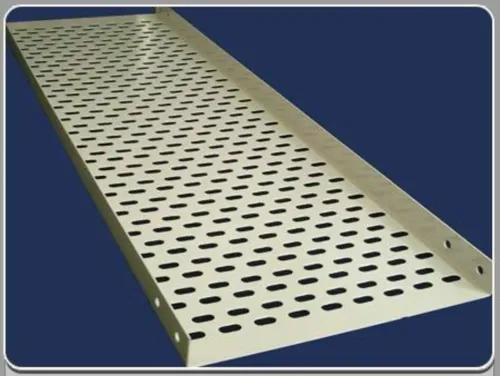
3. Identify the exact tray system: material, side-rail profile, width, side-rail height, thickness, perforation pattern and manufacturer’s part or drawing number. Include the splice location and connector quantity for each joint.
4. Ask the cable tray manufacturer to state the aluminium alloy or material designation, temper where applicable, thickness, surface treatment, overall length, hole diameter, hole pitch, mass, fastener size and dimensional tolerances. Aluminium alone does not establish strength or corrosion performance.
5. Require the quotation to identify any bonding jumper or earth link needed for electrical continuity, along with washers, joint compound, isolation parts and installation instructions. Ask about indoor or outdoor use, temperature, humidity, chemical exposure, and contact with galvanised steel, stainless steel, copper or treated steel.
For an aluminium connector cable tray order, request a drawing and batch-specific dimensional, material, finish and continuity records before approving quantity. That evidence lets you fit-check one connector against the actual tray before accepting the full batch.
Specify the tray profile and dimensions that must fit
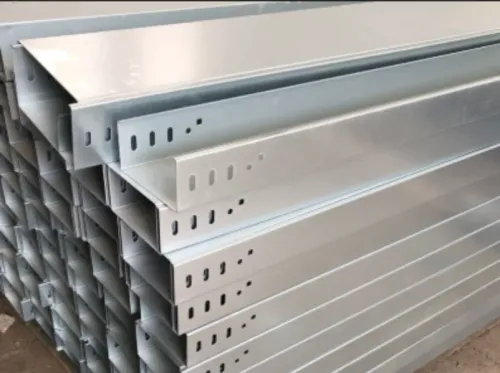
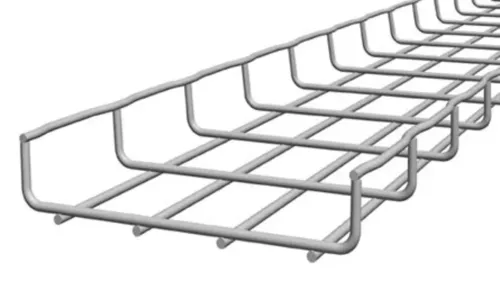
Before accepting a quotation, require the aluminium inline connector supplier to confirm the exact tray system and the dimensions that make the joint fit. State the tray material, side-rail profile, tray width and height, rail-thickness range, perforation pattern, and manufacturer’s part or drawing number.
A similar-looking splice plate can fail on a different rolled or ladder-tray profile.
Ask for these details on the drawing or datasheet:
- Connector function: inline splice, bend or junction, reducer, lid, or bonding connector
- Alloy or material designation, temper, thickness, and surface treatment
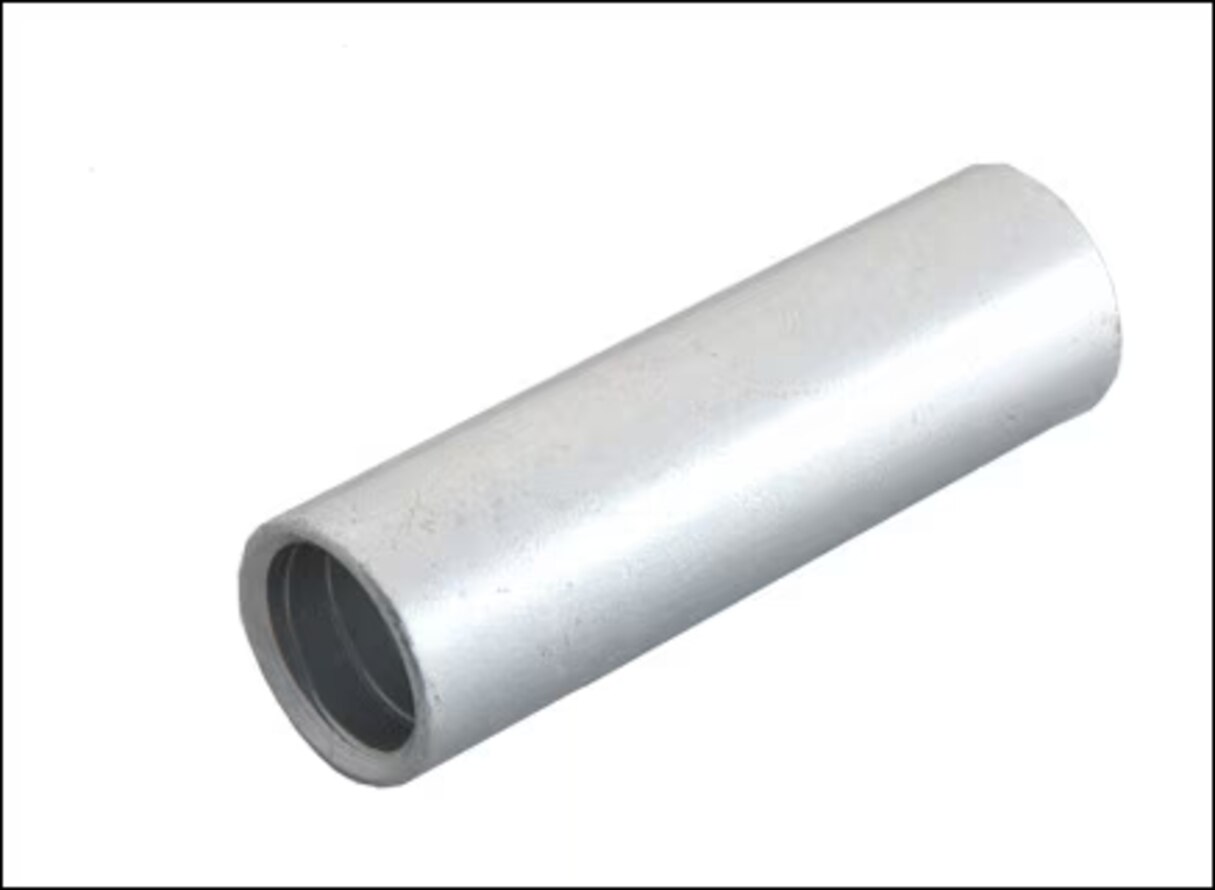
- Overall length, width, height, and mass; include internal or external diameter where the profile uses a curved or tubular section
- Hole diameter, hole pitch, edge distance, fastener size, and the number and position of holes
- Permitted dimensional tolerances for length, thickness, hole size, pitch, and profile clearance
- Compatible tray width, side-rail height, and rail-thickness range
- Required splice location, including whether the connector sits inside, outside, or over the rail
| Connector choice | Geometry to confirm | Movement or transition check |
|---|---|---|
| Rigid inline connector | Straight rail shape, hole pitch, thickness, and clearance | Joins two matching tray sections only |
| Expansion connector | Slot length, permitted movement, and joint spacing | Use on runs subject to thermal movement |
| Bend or reducer connector | Angle, width transition, rail profile, and hole pattern | Not interchangeable with a straight splice |
Fit-check a sample against the actual tray section before approving a large batch.
List every hardware and corrosion-control item in the order
State every included part, material, finish and quantity in the cable tray connector order details; “complete set” is not enough. Use this purchase schedule:
1. Identify the connector alloy or material designation, temper where applicable, thickness, dimensions and surface treatment. “Aluminium” alone does not establish strength or corrosion performance.
2. Specify the connector quantity per joint, total number of tray joints and total pieces. Add separate allowances for site cuts, spare connectors, and rejected or damaged parts.
3. List fasteners by size, grade, material, coating and quantity per joint. State whether bolts, nuts and any cover clips are included rather than leaving “set” open to interpretation.
4. State the washer type and quantity, including flat, spring, sealing or isolation washers. Isolation is essential where aluminium contacts galvanised steel, stainless steel or another dissimilar metal in a wet, coastal or contaminated location.
5. Name the bonding jumper, lug, braid or earthing link, with its material, cross-section, length, terminals and quantity per joint. Do not assume tray continuity hardware is included with the mechanical connector.
6. Specify the joint compound or anti-oxidation compound by product type and application location. State any required coating, barrier tape or compatible fastener system for galvanic-corrosion control.
7. Require the supplier to separate connector, joining hardware, washers, bonding jumpers and compounds as line items. The schedule must show whether each item is supplied, optional or excluded, preventing a missing part from stopping installation.
Require drawings, installation limits and batch evidence
Do not approve an aluminium connector from a catalogue image alone. Require an installation drawing showing overlap direction, hole alignment, fastener locations, tightening access and the number of connectors required at each joint. Inline connectors installed inside a loaded tray need this detail before cables block access.
Request a drawing or datasheet that states:
- Overall length, mass, hole diameter, hole pitch and dimensional tolerances
- Compatible tray profile, side-rail dimensions, material thickness and fastener size
- Maximum joint gap, permitted overlap, tightening torque and any temperature or load limits
- Whether the joint provides electrical continuity through conductive faces, a bonding jumper or a separate earthing connection
Use the quality package to match every claim to the supplied batch.
| Document | What to verify | Approval use |
|---|---|---|
| Dimensional inspection record | Part number, measured dimensions and tolerance results | Confirms fit before installation |
| Material certificate | Aluminium grade and batch or heat reference | Confirms specified material |
| Finish or coating record | Finish type, coverage or treatment and batch reference | Checks corrosion-control requirements |
| Continuity or mechanical test report | Test method, acceptance value, connector part number and batch | Supports the claimed performance |
Generic certificates without a part number or batch are weak evidence. Require packaging labels showing part number, lot, quantity and compatible tray profile, with mating faces and threads protected from abrasion. For wet, coastal, chemical or mixed-metal sites, document compatible fasteners, isolation washers, coatings or joint compounds; aluminium-to-dissimilar-metal contact can create galvanic corrosion.
Turn the specification into a complete purchase enquiry
Send one purchase enquiry that separates the fit specification from the buying terms. A cable tray manufacturer for an aluminium connector order in Greater Noida should be able to price the exact joint, document the part and state how delivery risk is handled.
1. Identify each connector by function and location: inline splice, bend or junction, reducer, lid, or bonding connector. State tray width, height, side-rail profile, thickness, splice location and joint count; do not request “aluminium connectors” as one bulk line.
2. Calculate quantity as connectors per joint multiplied by tray-joint quantity, then add separate allowances for site cuts, spares and rejected or transit-damaged parts. Request the alloy or material designation, temper where applicable, thickness, surface treatment, hole size, hole pitch, overall length, mass, fastener size and dimensional tolerances.
3. Attach the tray drawing and require a supplier drawing or datasheet, installation instructions, permitted temperature range, indoor or outdoor limit, humidity or chemical restrictions, and contact restrictions involving galvanized or treated steel, stainless steel and copper. Ask for batch identification and inspection records.
4. Put the commercial terms in the same enquiry: delivery address, packing unit, dispatch basis, tax and freight treatment, required delivery date, unloading responsibility, payment terms and replacement terms for shortages or transit damage. Ask the supplier to confirm manufacturing location, inspection capability and quotation validity.
For S.V. Metals & Extrusions Pvt. Ltd., this schedule lets a buyer test whether an aluminium inline part actually matches the selected tray joint rather than accepting a generic lug description.
Related product
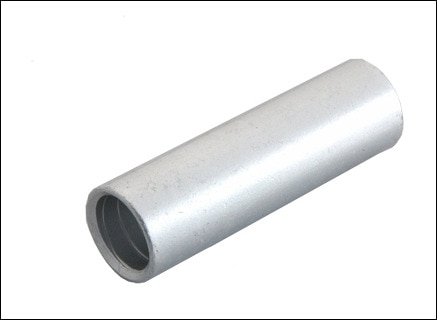 | ₹6 We are a well-renowned organization in the industry to provide our patrons the best quality array of Aluminium Lugs Inline. View product → |
Frequently asked questions
What job should an aluminium cable tray connector perform?
State whether you need an inline splice, bend, junction, reducer or lid connection. An aluminium connector joins tray sections but does not automatically terminate cables or provide earthing continuity.
Which tray details must accompany an aluminium connector enquiry?
Give the tray profile, width, side height, material, thickness, joint arrangement, hole pattern and any lid or fitting dimensions that must align.
What hardware and corrosion-control items belong in the order?
List bolts, nuts, washers, bonding jumpers or other earthing parts, surface treatments and isolation materials. Specify quantities and the metals that will contact one another.
Which documents should you request from a cable tray manufacturer?
Request a dimensioned drawing, installation limits, tightening guidance, material or grade details, batch identification and inspection or test evidence.