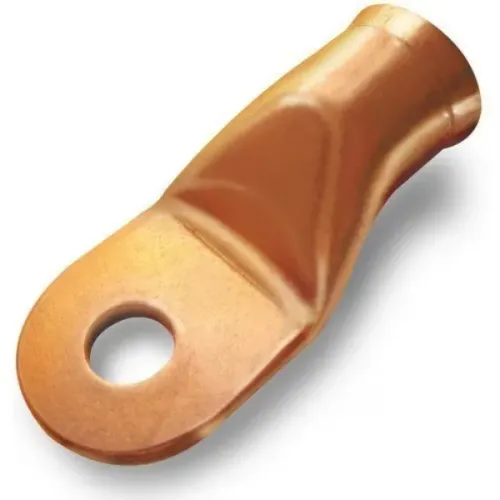


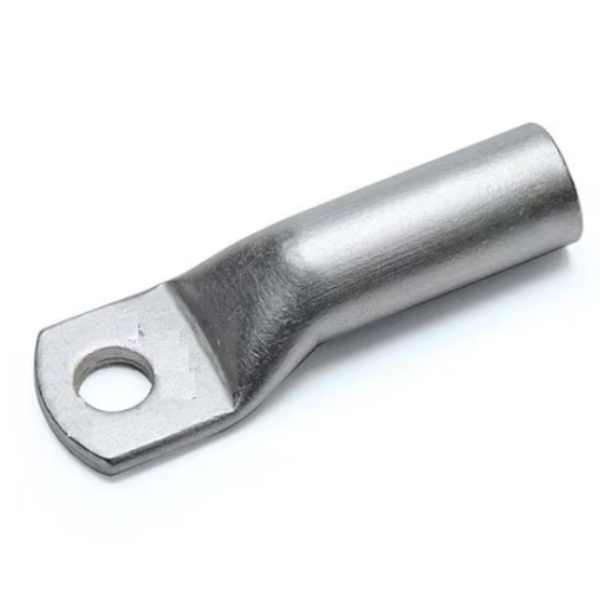
Industrial projects frequently use aluminium conductors for power distribution, making termination selection an important part of electrical planning. Aluminium Cable Lugs are designed to provide suitable termination points for compatible aluminium cables when connecting them to equipment and electrical systems.
Choosing the correct lug requires more than matching a general cable description.
Verify Conductor Size Before Procurement
Cable size is one of the first details required when selecting a termination.
A lug should correspond with the conductor size specified for the circuit.
Electrical contractors should prepare quantities from approved cable schedules rather than estimating requirements after cables reach the site.
This becomes especially important on projects containing multiple feeder sizes.
Check the Connection Point
The equipment side of the termination also needs attention.
Different panels, busbars and electrical equipment can use different connection arrangements.
When specifying Aluminium Cable Lugs, verify the required terminal hole, palm configuration and any project-specific dimensional requirements.
Providing these details in an enquiry reduces ambiguity and helps procurement teams compare equivalent products.
Material Compatibility Needs Attention
Electrical connections involving different conductor and terminal materials require appropriate engineering consideration.
The selected termination should suit the cable conductor and the equipment connection arrangement specified by the electrical designer.
Contractors should avoid substituting termination materials solely because another type happens to be available at site.
Installation Tools Matter
Correct product selection can be undermined by poor installation.
Crimping should use suitable tools and dies intended for the termination being installed.
The conductor should also be prepared correctly before insertion into the lug.
Installation teams should follow approved procedures and inspect completed terminations before equipment is energised.
Plan Quantities From Project Documents
A useful procurement schedule can group requirements by:
- Cable size
- Lug type
- Terminal requirement
- Number of terminations
- Equipment location
- Required quantity
- Additional approved project allowance
This approach provides better control than purchasing mixed termination components without a detailed schedule.
S.V. Metals & Extrusions Pvt. Ltd. lists cable lugs among its core electrical product categories and operates from Greater Noida. Its location within the industrial NCR region makes the company's product range relevant to contractors, EPC companies and procurement teams handling electrical infrastructure requirements in Uttar Pradesh and surrounding project markets.
Check Deliveries Before Site Issue
When Aluminium Cable Lugs reach the project store, the material should be checked against the purchase specification before being distributed to installation teams.
Verify sizes, quantities, physical condition and any required markings or documentation.
Keeping different sizes separately identified can reduce incorrect issue during busy installation periods.
Procurement and Installation Need to Work Together
Cable lugs may account for a relatively small portion of the overall electrical material budget, but they are used at critical connection points.
Selecting the right termination, procuring quantities from approved cable schedules and using appropriate installation practices can help create more consistent electrical connections.
For project managers and electrical contractors, treating termination components as engineered materials rather than last-minute consumables supports better control from procurement through commissioning.