Choosing an open tray is not only a question of cable quantity: weight, bend radius, electromagnetic interference, environment and future access can all change the answer. By the end, you will be able to compare mesh with ladder, perforated and enclosed systems, check capacity, and identify routes where mesh creates more risk than value.
Key takeaways
- Start by mapping bends, branches, drops and access needs.
- Reserve space for future cables after calculating load and fill.
- Match wire diameter, coating and finish to the installation environment.
- Use smooth edges, proper supports and bend control at transitions.
Start with the cable route, not the tray name
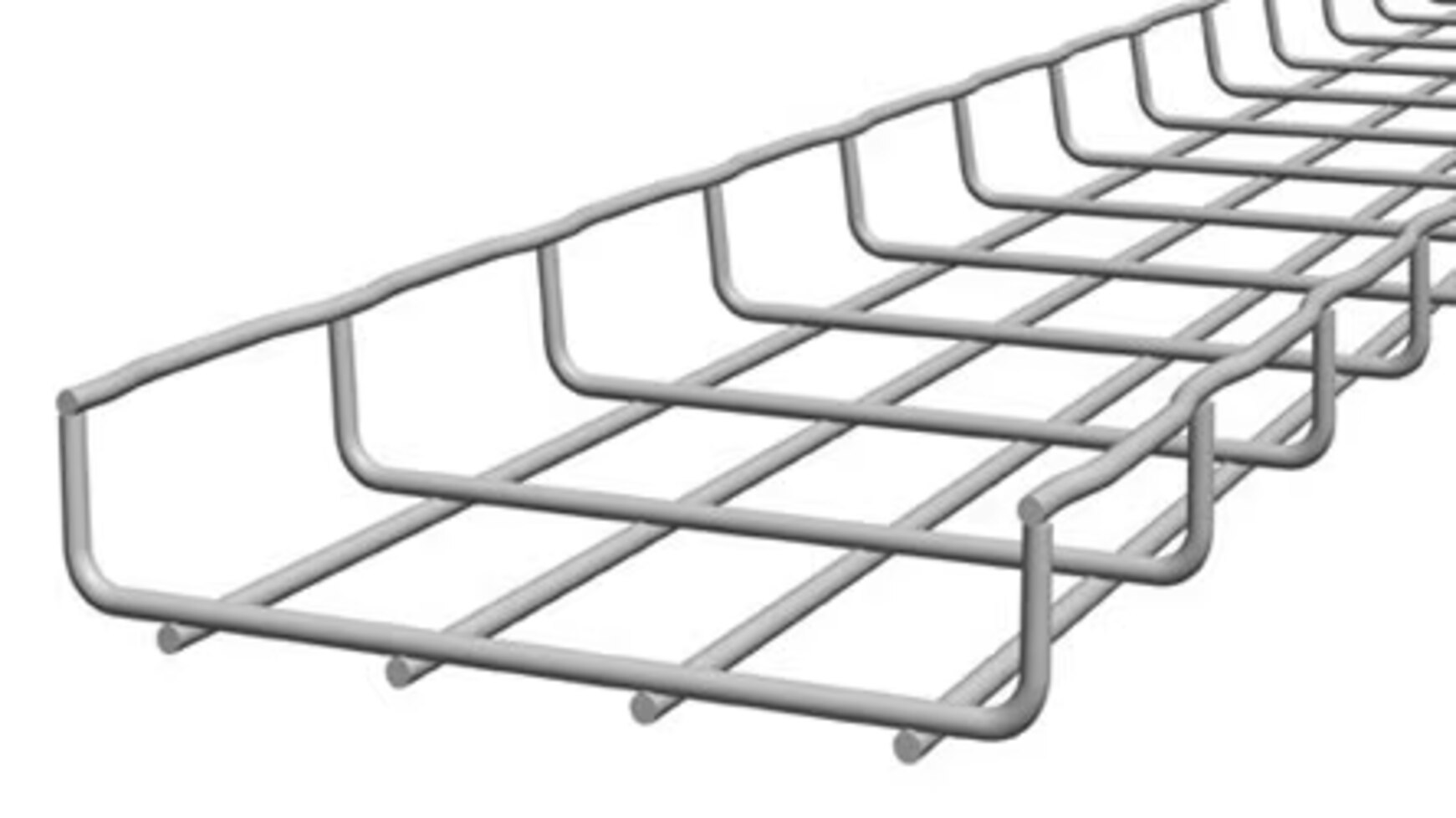
Choose mesh cable tray when the route carries many small data, control or instrumentation cables, needs frequent branches, and must remain easy to inspect or rework. Open ventilation helps dissipate heat, while the wire mesh tray allows ties and drops almost anywhere.
It is less suitable for heavy grouped power cables, long unsupported spans, or locations exposed to impact, liquids, rodents, smoke or fire.
| Option | Best fit | Main limitation |
|---|---|---|
| Mesh cable tray | Accessible, ventilated routes with frequent branches and light-to-moderate cable loads | Does not provide a continuous barrier or full mechanical protection |
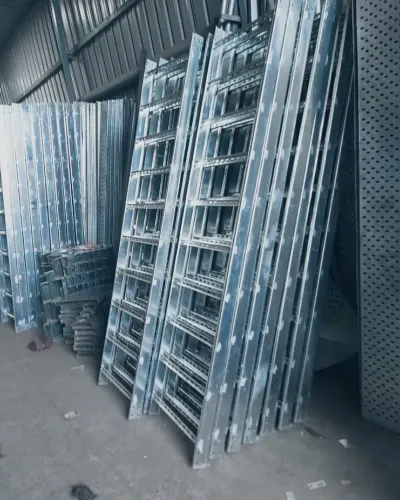
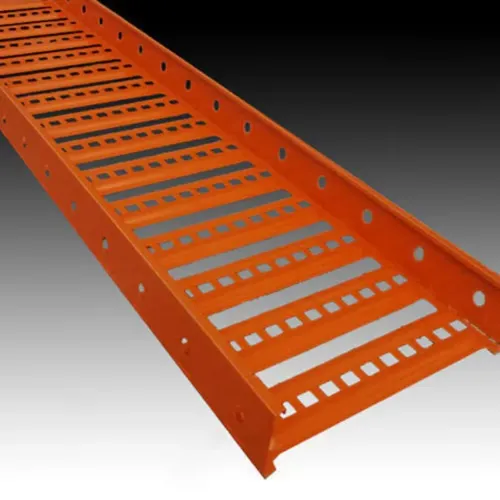
| Ladder cable tray | Large, heavy power cables and long spans needing strong support and good air circulation | Smaller cables need cleats, ties or additional support |
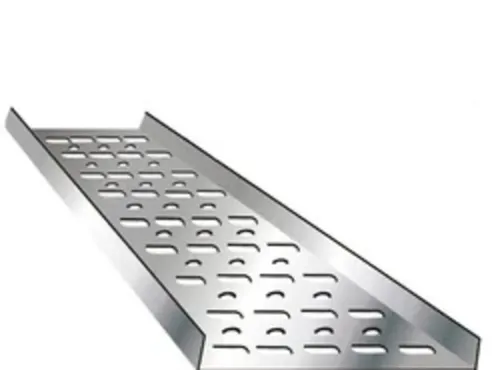
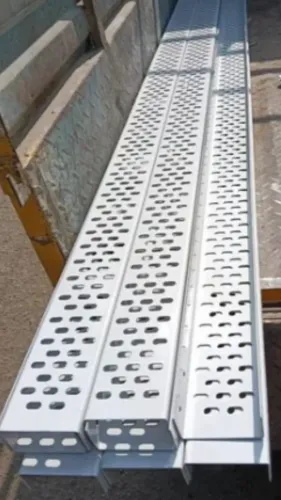
| Perforated cable tray | Mixed control and power cables needing a more continuous base with ventilation | Less flexible for branching and heavier than mesh |
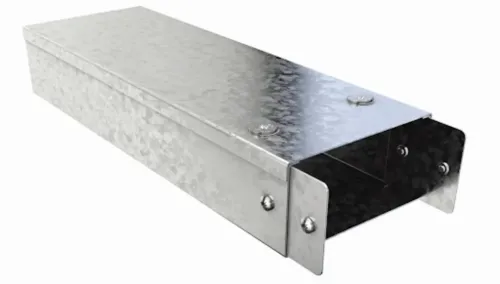
| Solid-bottom raceway | Routes requiring containment, shielding, protection from falling debris or a cover | Heat removal, inspection and cable changes become harder |
Select mesh when its open structure solves a real installation problem, not simply because it looks lighter. Small cables can sag through openings, and rough cut ends can damage insulation; use suitable mesh size, edge protection and retaining hardware.
Do not use mesh as a substitute for separation between noisy power circuits and sensitive data circuits: provide spacing, crossings, metallic partitions or separate routes according to the cable manufacturer’s electromagnetic compatibility requirements.
A covered solid-bottom system or conduit is the safer choice where fire, smoke, liquid, contamination, impact or electromagnetic shielding demands a continuous enclosure. Verify the actual tray system against its tested load and span tables, including fittings, risers and supports.
Use mesh for accessible data and control routes—within clear limits
Mesh tray suits data cables, control cables and instrumentation cables when routes change frequently and access matters. Its open sides let you add, drop or rearrange cables without threading them through a closed raceway.
Support cables at the manufacturer’s spacing, preserve the minimum bend radius, and use ties or retaining clips where small cables could sag.
Plan power cable separation as part of EMC design, not as a tray choice. A ventilated mesh tray does not stop magnetic or electrical interference from high-current circuits, motors or variable-frequency drives reaching sensitive wiring.
Separate or shield circuits when any of these conditions apply:
- Power feeders, motor cables or variable-frequency-drive output cables run parallel with signal routes.
- Analog instrumentation, low-level sensor lines or communication cables have specified EMC spacing or shielding requirements.
- The cable manufacturer, equipment supplier or project specification requires a separate tray, metallic divider or screened route.
Keep parallel runs apart for the distance specified by the cable or equipment manufacturer, and cross unlike circuits at 90 degrees where practical. A metallic partition helps only when it is continuous, bonded correctly and rated for the installation; it does not replace required spacing or shield termination.
Choose a covered tray, solid-bottom raceway or conduit instead of open mesh in high-impact areas, fire-rated routes, washdown zones, dusty locations or places where falling objects could damage cables. Mesh is an access solution, not automatic mechanical or electromagnetic protection.
Calculate capacity from cable count, weight and future space
Verify a mesh tray in two separate calculations: physical cable tray fill and structural load. Measure every cable outside diameter and plot the actual arrangement. For a single layer, add the diameters across the tray and apply the manufacturer’s clearance; for stacked cables, use the tray maker’s permitted fill method.
Reserve space for identified future circuits rather than treating an empty gap as usable capacity.
- Count each planned cable, record its outside diameter and weight per metre, and include future cables in the layout.
- Calculate total weight per metre from the cable schedule, then add the weight of ties, covers, separators and other supported accessories.
- Compare that load with the tray manufacturer’s working-load table for the exact width, depth, material, span and support spacing.
Check the real route, not only a straight section. Tees, bends, risers, splice locations and vertical orientation can have different load limits or require extra supports. Never estimate strength from wire diameter alone. If the calculated load exceeds the published rating, reduce the support spacing, select a stronger tray or redesign the route.
Power cables need a separate electrical check. Unused physical space does not prove that added conductors meet ampacity rules: verify conductor grouping, spacing and derating for the installation method. A tray that passes the load test can still produce overheated cables when its permitted arrangement is exceeded.
Match mesh construction and finish to the installation environment
Wire size is a structural decision, not a visual one. Select the mesh wire diameter from the manufacturer’s tested load-and-span table for the actual support spacing, fittings and orientation; a heavier wire does not rescue an overlong span.
Choose tray width for cable area, separation and future additions, and choose tray depth for the cable bundle plus bend-radius clearance at drops and turns.
| Environment | Material and finish | Sizing and protection decision |
|---|---|---|
| Indoor, clean | Zinc-plated or galvanized steel tray | Use the lightest tested mesh wire diameter that meets the span and load. Keep tray width and tray depth large enough for separation and accessible rework. |
| Damp or condensation-prone | Hot-dip galvanized steel, with compatible fittings | Protect cut edges and verify splice hardware; trapped moisture and dissimilar metals can accelerate corrosion. |
| Chemical, coastal or washdown | Stainless steel or a specified corrosion-resistant coating | Match the alloy or coating to the chemicals, salt and cleaning agents. Add covers where spray or deposits reach cables. |
| Outdoor, exposed | Galvanized steel trayemental?̀ or stainless steel, as the exposure demands | Account for UV, rain, wind, falling objects and temperature. Use covers, retaining hardware and closer supports when cables need protection. |
S.V. Metals & Extrusions Pvt. Ltd. offers both mesh and ladder options, so compare the tested span tables rather than choosing by product name. A mesh tray loses its advantage when covers, separators or frequent extra supports become necessary.
For heavy grouped power cables or contaminated routes, ladder or enclosed raceway can be the safer choice.
Related products
 | Cable Trays & Accessories Wire Mesh Cable Tray, also called Basket Cable Tray, is a kind of cable tray made of stainless steel wires by welding wires together, forming a... View product → |
 | Cable Trays & Accessories Ladder Type Cable Trays are ideal for heavy duty power distribution in industrial facilities as it provides maximum ventilation and load carrying... View product → |
Build branches, drops and vertical runs without damaging cables
A tight bend at a tee can damage a cable even when the tray itself fits. Use cable tray fittings with a radius that preserves each cable’s manufacturer-specified minimum bend radius; that requirement takes precedence over the mesh tray’s bend shape. Keep fiber-optic, coaxial, shielded and high-pair-count data cables free from sharp drops and compression.
Route branches through purpose-made bends, tees and crosses rather than forcing the mesh into shape. At risers, install vertical cable support so cable weight does not pull on a horizontal bend, connector or termination. Add retaining clips or smaller-mesh accessories where small cables could sag through the openings.
- Deburr every field-cut end, remove loose coating, and apply the specified edge protection or touch-up treatment. An unprotected wire end can cut insulation and leave corrosion at the tray joint.
- Secure cables without crushing them. Set cable tie spacing closely enough to prevent sag on horizontal runs and movement on vertical runs, then tighten ties only until they hold; use hook-and-loop straps for sensitive data cables.
- Keep power and data cables in separate tray sections or separated by a listed divider where electromagnetic compatibility or the installation standard requires it. Do not let a branch cross into another circuit’s route without preserving that separation.
- Check every fitting, splice and support for the actual route load. A straight-section rating does not cover a long span, riser, wide-radius bend or heavily loaded tee.
Frequently asked questions
When is a mesh cable tray the right choice?
Choose mesh for routes with many small data, control or instrumentation cables that need ventilation, inspection and frequent rework.
How do you size a mesh cable tray?
Calculate the cable count, total weight, usable cross-sectional space and allowance for future cables before selecting tray width and support spacing.
What should you check when matching mesh tray construction to the environment?
Check wire diameter, weld quality, corrosion protection and finish against indoor, outdoor, damp, chemical or corrosive conditions.
How should branches, drops and vertical runs be built?
Use suitable bends, tees, supports and cable ties while protecting cables from sharp edges, tight bends and unsupported weight.
Related products
 | MS Painted Ladder Type Cable Trays ₹100 Our company is engaged in offering robust built Ladder Type Cable Trays that are made from the finest mild steel. View product → |
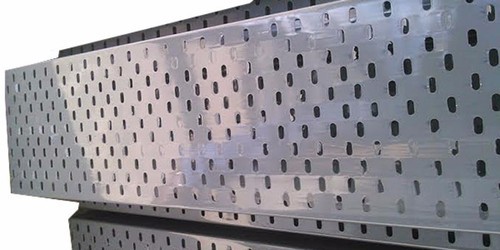 | MS Painted Perforated Type Cable Trays ₹108 Our company is engaged in offering supreme quality MS Painted Perforated Type Cable Trays that are widely used for providing circulation of cables... View product → |
 | MS Painted Ladder Type Cable Trays ₹115 We are offering MS Painted Ladder Type Cable Trays that are chiefly used for distribution of power and communication cables. View product → |
 | Cable Trays & Accessories Perforated Type Cable Tray are ideal to install large volume of heavy duty power cables. View product → |