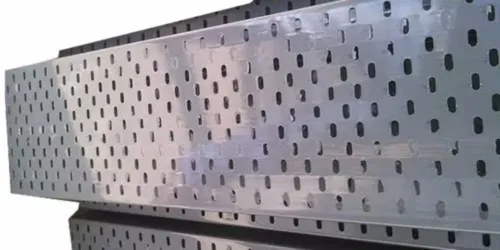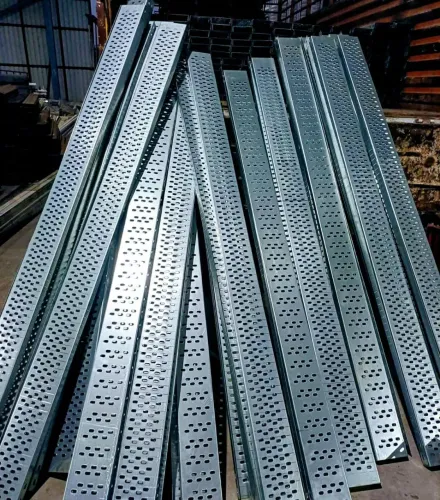
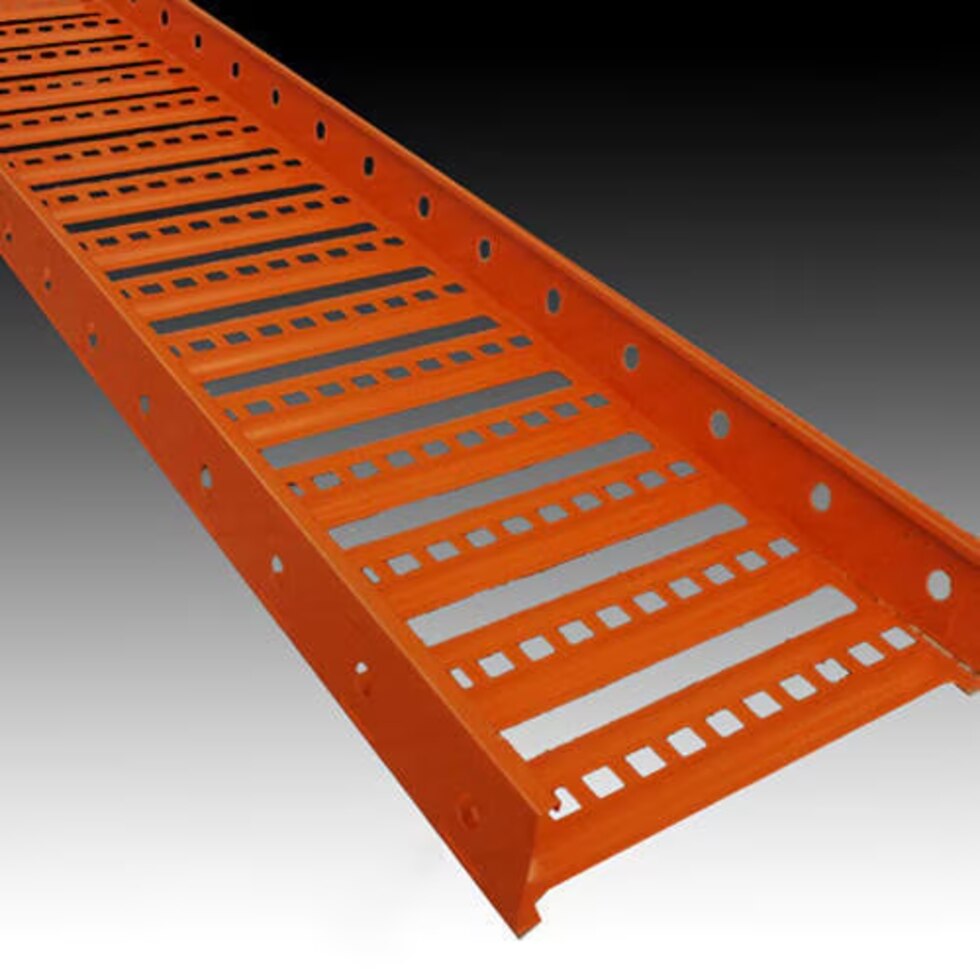
A powder-coated tray needs more than occasional dust removal: water, construction debris, cut edges, loose supports and damaged coating can all create failures after installation. You will be able to set inspection dates, clean the finish safely, identify defects, protect modified edges and decide when a specialist is needed.
Key takeaways
- Schedule inspections before energisation and include the first monsoon inspection.
- Check coating, steel, fasteners, supports, drainage and cable loading together.
- Remove dust with mild detergent; keep solvents, acids and standing water away.
- Repair minor coating damage promptly and escalate corrosion, overloads and failed supports.
Set the maintenance schedule before handover
Set the inspection dates before cables are energised and record them in the handover file. A project planning powder coated cable tray for maintenance in greater noida must include post-construction dust removal and a first-monsoon inspection, not treat the tray as an indoor-only asset.
- During installation, inspect coating scratches, chips, blistering, peeling, chalking, rust stains and exposed steel. Check bent rails, damaged supports, loose joints, missing fasteners, support spacing and tray alignment before cables conceal the work.
- At handover, photograph each tray run and record its route, support span, cable capacity, fire-rated penetrations and any approved repairs. Confirm that no cable rests on sharp edges, no tray is being used as a work platform or storage shelf, and every firestop is intact.
- After the first monsoon, check for standing water, blocked drainage, mud, new rust, coating failure and cable-jacket abrasion. Inspect locations near roofs, wash-down areas, chemical vapours and external walls first.
- Set recurring inspections at six or twelve months for clean indoor areas; use quarterly checks where dust, water, industrial contaminants or frequent cable additions increase risk. Recheck tray fill, cable weight, concentrated loads, support deflection and unauthorised attachments after every rerouting.
- After cutting, drilling or adding cables, inspect exposed steel, sharp edges, fasteners, load capacity and firestop penetrations. Clean with a soft cloth, clean water and mild compatible detergent; record defects for compatible repair rather than concealing cable damage with paint.
Use a defect checklist for coating, steel and supports
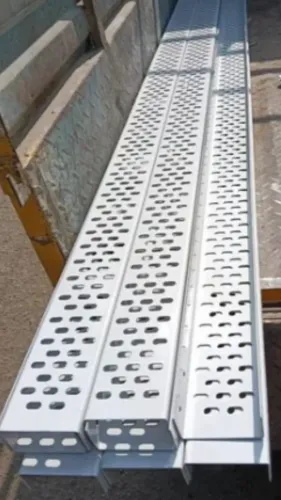
Record every defect that could weaken support, expose steel or damage a cable. For powder coated ladder tray maintenance, inspect the rungs, side rails, splice plates, welds, support steel and hardware—not only the cable-facing surface.
Use one line per finding and include its location, severity, photograph and action:
- Coating: scratches, chips, blistering, peeling, chalking, rust staining or exposed steel.
- Steelwork: bent rungs, distorted rails, cracked welds, sharp edges, permanent sag or impact damage.
- Joints and supports: loose splice plates, missing fasteners, open joints, damaged brackets, failed anchors or inadequate spacing.
- Cables: jacket abrasion at edges, crushed insulation under ties, standing water, unsupported weight or contact with a sharp defect.
- Electrical path: continuity across tray joints and expansion joints, with listed bonding hardware or jumpers in place.
| Defect | Record or correct | Investigate further when |
|---|---|---|
| Coating chip or light scratch | Clean, dry and schedule compatible touch-up | Steel is exposed, rust is spreading or damage recurs |
| Loose fastener or splice | Tighten or replace with the specified hardware | The joint moves, holes are enlarged or continuity fails |
| Bent rung, rail or support | Isolate the affected span and repair or replace it | Cable loading, impact or permanent deformation is suspected |
| Cracked weld, severe corrosion or failed anchor | Keep loads off the area and escalate | Structural capacity or grounding depends on the damaged part |
Do not stand on rungs or use the tray as a storage shelf; temporary loads can exceed its design load without leaving visible sag. Correct tray or support defects before replacing a cable tie or applying coating.
Clean the finish and control water, dust and chemicals
Remove loose cement dust, plaster and sand with a vacuum or soft, non-abrasive brush. For powder coated cable tray care, wipe with clean water and a mild detergent approved by the coating supplier, then rinse and dry the surface.
Abrasive pads, acidic or alkaline cleaners, unapproved solvents and concentrated high-pressure jets can dull, soften or cut the finish. Test any cleaner on a concealed area first.
- Clean after construction dust-generating work, before handover and after drilling or cutting nearby.
- Inspect during and after the Greater Noida monsoon, especially where water can stand.
- Increase checks near open façades, cooling towers, coastal air, industrial emissions, chemical vapours or stored chemicals.
- Remove dust from rungs, side rails, splice plates, supports and hardware; do not clean only the cable-bearing surface.
- Keep wash water from collecting at contact points, cut ends, welds, fasteners and tray joints.
Cleaning must not hide cable or steel defects. While the surface is wet and accessible, look for cable-jacket abrasion at sharp edges, tie compression, unsupported cable weight and water accumulation. Check for scratches, chips, blistering, peeling, rust stains and exposed steel; a powder coating is a barrier, not corrosion protection for damaged steel.
Record and correct the source of contamination or water before applying touch-up coating. Schedule the next inspection sooner when dust, moisture or chemical exposure returns frequently.
Inspect field modifications, drainage and cable loading
After cutting or drilling, inspect the modified section before cables are installed. Remove every burr and sharp edge, verify that the coating and exposed steel have received compatible corrosion protection, and confirm that new holes, fasteners and splice plates have not weakened the rail or reduced the support span.
Use this checklist after field modifications, cable installation or environmental changes:
- Check side rails, rungs, splice plates, welds, support steel and hardware for bends, cracks, distortion, looseness or missing fasteners.
- Run a gloved hand along modified edges; any snag can abrade a cable jacket during pulling or vibration.
- Confirm that drain paths and tray outlets remain open. Investigate standing water, blocked low points, rust staining and water entering through wall or roof penetrations.
- Inspect cable jackets for edge abrasion, crushing beneath ties, water accumulation and unsupported weight. Correct the tray or support condition before replacing a tie or coating the damage.
- Verify that bonding and continuity connections remain secure after drilling, cutting or replacing hardware.
- Remove tools, pipes, ducts and building materials. Cable tray is not a walkway, work platform or storage shelf; temporary loading can exceed the design load without leaving visible sag.
For powder coated ladder tray maintenance, compare the installed cable weight and concentrated loads with the manufacturer’s allowable load for the actual support span, fill and permitted deflection. Free space does not prove spare capacity.
Make powder coated cable tray care risk-based: inspect more frequently after dust-heavy construction, standing water, chemical vapours or cable additions, and include post-construction and first-monsoon checks in Greater Noida.
Repair small damage and escalate serious defects
Touch-up treatment suits a small, isolated chip or scratch where the steel is sound, the surrounding powder is firmly bonded, and no water has entered beneath the coating.
Clean and dry the area, remove loose powder and rust, then use a corrosion-control primer and matching repair coating approved for the original finish, service temperature and exposure.
Appoint a coating specialist or cable-tray maintenance contractor when you find:
- Active rust, blistering, peeling or corrosion spreading beyond the original damage
- Bare steel on several sections, corrosion beneath the coating, or repeated failure after touch-up
- Bent rails, cracked welds, loose joints, missing fasteners or damaged supports
- Water traps, chemical contamination or coastal or industrial exposure that the repair system must withstand
- New cables, concentrated loads, altered support spans or visible deflection
- Damage near energized conductors, firestops or restricted-access areas
Do not paint over rust or loose powder; that repair will fail quickly. A contractor’s written scope should state the isolation and access method, approved cleaning chemicals, repair system, continuity testing, load review, firestop reinstatement, photographs and acceptance criteria.
Require the contractor to check cable jackets for edge abrasion, tie compression, water accumulation and unsupported weight before closing the defect.
For powder coated cable tray for maintenance in Greater Noida, ask S.V. Metals & Extrusions Pvt. Ltd. or the original coating supplier to confirm compatibility before buying touch-up material. A specialist is the safer choice when the coating specification, repair preparation or corrosion cause is uncertain.
Related products
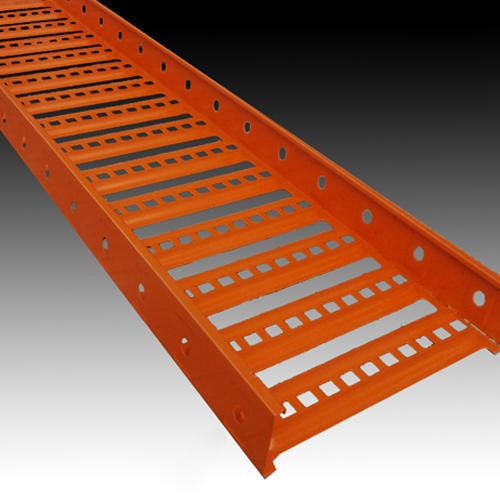 | Powder Coated Ladder Type Cable Trays 99 We are known for designing Powder Coated Ladder Type Cable Trays that are widely installed in industries, malls, railway stations, airports, office... View product → |
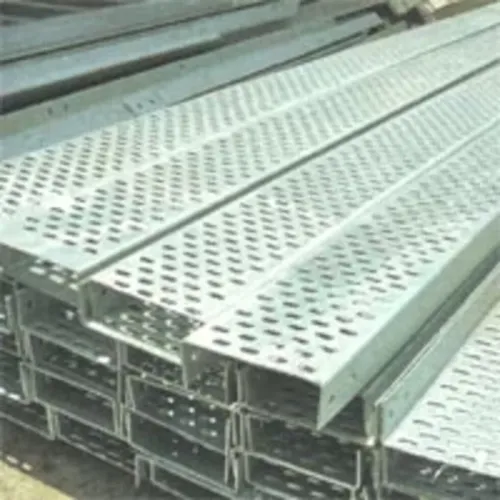
 | Powder Coated Perforated Type Cable Trays ₹101 We are offering Powder Coated Perforated Type Cable Trays that are used in industries, metro stations, office buildings, schools etc. View product → |
Frequently asked questions
When should powder coated cable tray inspections begin?
Set the dates before cable energisation, record them in the handover file, and schedule a post-construction clean plus a first-monsoon inspection.
What should a cable tray maintenance checklist include?
Check coating scratches, rust, bent steel, loose fasteners, damaged supports, blocked drainage, field cuts, sharp edges and cable loading.
How should you clean a powder coated cable tray?
Remove loose dust, wash with mild detergent and clean water, then dry the tray. Keep strong solvents, acids and standing water away from the finish.
Which cable tray defects require escalation?
Escalate active corrosion, distorted tray sections, failed supports, unsafe sharp edges, blocked drainage and loading that exceeds the designed capacity.
Related product
 | MS Painted Ladder Type Cable Trays ₹115 We are offering MS Painted Ladder Type Cable Trays that are chiefly used for distribution of power and communication cables. View product → |
Keywords