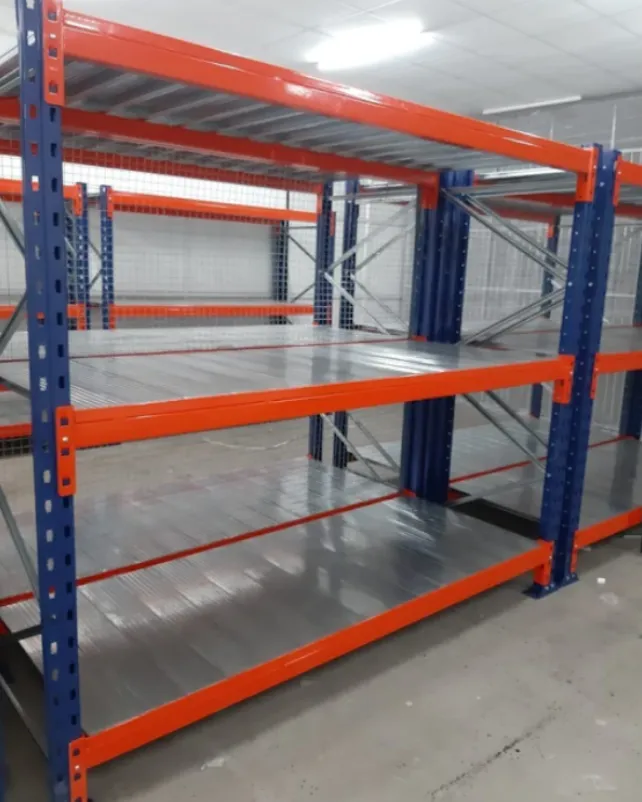
Industrial storage is not simply about placing more material into less floor space. A Heavy Duty Storage Rack must support the actual load, fit the available facility layout and allow materials to be handled efficiently.
For factories, warehouses and project stores, choosing the right rack starts with understanding what will be stored and how it will be moved.
Start With the Actual Load
One of the most important questions is the weight of the material placed on each storage level.
Estimating load capacity without reviewing actual inventory can lead to an unsuitable rack configuration.
Project teams should document:
- Maximum load per level
- Total expected bay load
- Type of stored material
- Dimensions of individual items
- Pallet size where applicable
- Loading method
- Frequency of material movement
These details provide a more useful starting point than selecting a rack only by its overall dimensions.
Storage Dimensions Affect Rack Configuration
Long electrical components, cartons, fabricated parts and palletised materials require different storage arrangements.
A Heavy Duty Storage Rack should therefore be configured around the inventory rather than forcing every material into a standard bay.
The height, width and depth need to work with both the product dimensions and the available warehouse space.
Material Handling Equipment Needs Enough Space
Warehouse planning should account for how goods will reach the racks.
Forklifts, pallet trucks and manual handling operations require appropriate aisle widths and turning space.
Installing additional rack capacity at the expense of usable movement space can reduce operational efficiency.
Warehouse planners should therefore evaluate storage density and material movement together.
Floor and Structural Conditions Matter
Heavy racks transfer substantial loads to the supporting floor.
Before installation, the responsible project team should verify whether the floor and anchoring arrangement are suitable for the proposed rack system.
Rack positioning should also avoid conflicts with doors, electrical panels, fire protection infrastructure and other building services.
Think About Future Inventory Changes
Industrial storage requirements rarely remain identical throughout the life of a facility.
A plant may introduce new components, increase stock quantities or change packaging dimensions.
Where possible, storage planning should allow some flexibility for these changes.
For companies operating in Greater Noida's industrial areas and across Uttar Pradesh, this can be especially useful when manufacturing or project activity expands.
S.V. Metals & Extrusions Pvt. Ltd. operates from the Surajpur Industrial Area in Greater Noida and works with products used across industrial and electrical infrastructure requirements. For project-specific storage requirements, accurate load and dimensional information should be established before final configuration.
Evaluate the Complete Storage Requirement
A suitable Heavy Duty Storage Rack is the result of several coordinated decisions rather than a single capacity figure.
Load requirements, rack dimensions, warehouse layout, aisle space, floor conditions and handling methods all need consideration.
Procurement teams should therefore provide suppliers with detailed information rather than requesting a generic heavy-duty rack quotation.
When the rack is designed around actual inventory and operating conditions, the storage system becomes easier to use, more organised and better suited to the long-term needs of the facility.
Keywords