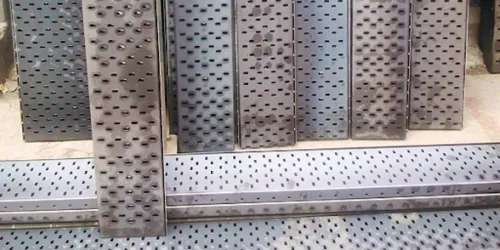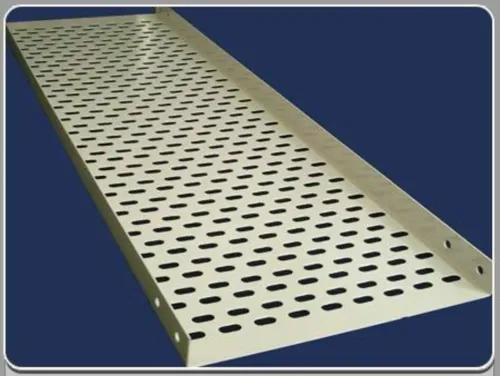
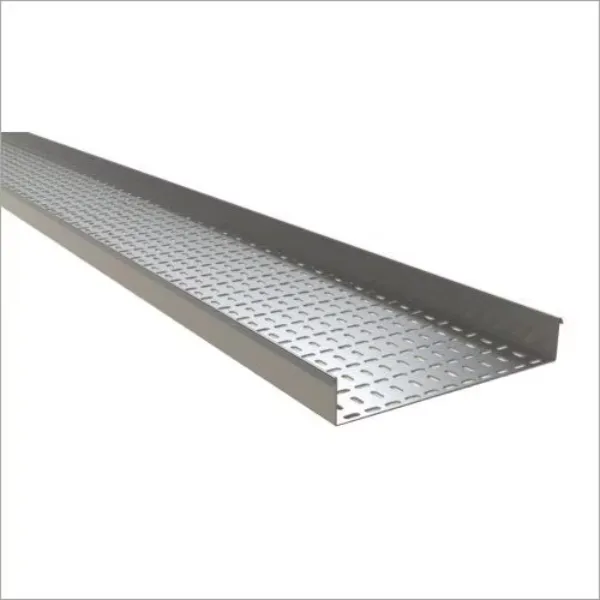
Electrical installations need cable pathways that provide support without making inspection and maintenance unnecessarily difficult. Perforated Cable Trays address this requirement through a tray structure containing regularly distributed openings.
The design makes them useful across many commercial and industrial applications where cables need organised support together with ventilation.
What Makes the Perforated Design Useful
A solid enclosed pathway provides substantial coverage, but certain installations benefit from additional airflow around cables.
Perforations allow air to circulate through the tray while the base continues to support the cables.
This combination can be useful for power, control and other electrical cabling where engineers want an organised pathway without completely enclosing the cable route.
The openings can also reduce unnecessary material compared with a completely solid tray while maintaining a practical cable-supporting surface.
Where These Trays Are Commonly Considered
Perforated Cable Trays can be used in electrical installations such as:
- Manufacturing facilities
- Commercial buildings
- Utility areas
- Institutional buildings
- Warehouses
- Infrastructure projects
- Electrical service areas
- Plant rooms
The suitability of a tray still depends on cable loading, installation conditions and project specifications.
S.V. Metals & Extrusions Pvt. Ltd. lists perforated tray configurations in materials including MS, GI, SS and aluminium, with multiple finishing options available for different installation requirements.
Cable Capacity Needs Proper Calculation
One common mistake is choosing a tray based mainly on its appearance or available space.
The tray must accommodate the actual cable quantity while providing sensible arrangement and allowance for future requirements.
Engineers should examine:
- Number of cables
- Cable diameters
- Combined cable weight
- Required separation
- Expected future additions
- Support arrangement
- Route length and direction changes
Overcrowding can make future maintenance difficult, while unnecessarily oversized systems may increase material and installation costs.
Finish Selection Should Match Site Conditions
Projects in Greater Noida and other industrial areas of Uttar Pradesh can involve indoor production spaces, covered utility areas and outdoor infrastructure. These environments do not necessarily require identical tray finishes.
Exposure to moisture, dust, chemicals and outdoor conditions should therefore be reviewed during specification.
Rather than selecting a finish as a standard default for every project, procurement teams should match it to the actual service environment and approved project specification.
Accessories Should Be Planned With the Main Route
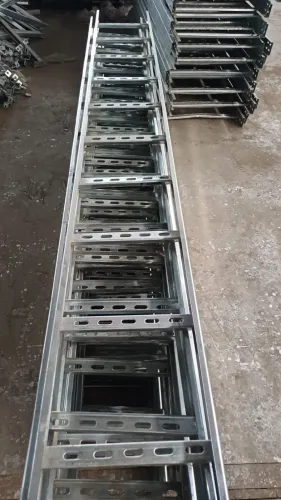
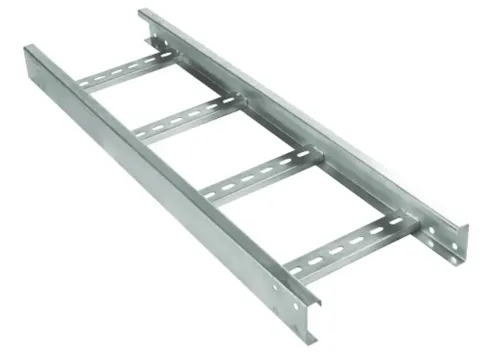
Straight tray sections are only part of a complete cable management system.
Real installations often require bends, changes in level, junctions, supports and other accessories. These should be considered while preparing the material requirement rather than after the main tray sections arrive at site.
Accurate route drawings help determine the quantities required and reduce avoidable site modifications.
Better Planning Supports Better Installation
The effectiveness of Perforated Cable Trays depends as much on engineering and installation as on the tray itself.
Correct sizing, suitable support spacing, proper accessories and thoughtful route planning help create an installation that remains accessible throughout its operating life.
For contractors, EPC companies and MEP consultants, evaluating these factors before procurement can simplify installation and improve cable management after commissioning.
Keywords