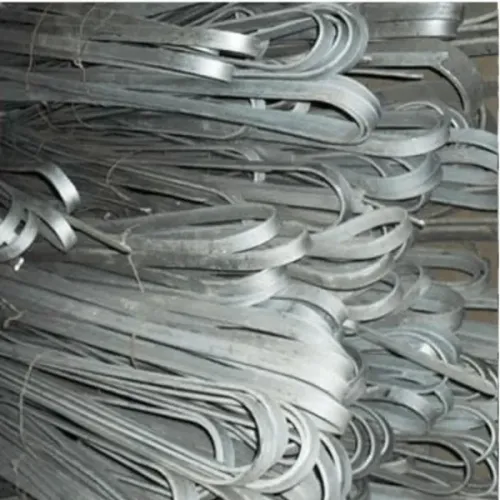
An effective earthing network is an essential part of electrical infrastructure. The Earthing Strip provides a conductive path within the grounding arrangement and may be used to interconnect equipment, structures and other earthing components according to the electrical design.
Although it can appear to be a straightforward metal component, correct selection depends on several engineering considerations.
Earthing Starts With System Design
The size of an earthing conductor should not be selected simply because the same dimension was used on another project.
Electrical engineers need to consider the system design, expected fault conditions, applicable standards and project specifications.
The complete earthing network may involve electrodes, conductors, equipment connections and bonding arrangements.
Each component needs to work as part of the designed system.
Material Choice Matters
An Earthing Strip can be specified in different conductive materials depending on the project.
Selection should account for electrical requirements as well as environmental exposure and compatibility with connected components.
For procurement professionals, dimensions alone are therefore insufficient when preparing enquiries.
A useful specification should identify:
- Required material
- Strip width
- Strip thickness
- Required quantity
- Surface treatment where applicable
- Installation environment
- Project-specific standards
Providing complete information helps avoid mismatched supplies and unnecessary clarification during procurement.
Installation Conditions Affect Long-Term Performance
Earthing conductors may be installed indoors, outdoors, along structures or in areas exposed to moisture and industrial conditions.
These conditions should be considered when selecting the material and protective treatment.
Connection points also require careful attention because poor joints can undermine the performance of an otherwise properly designed conductor network.
Contractors should follow approved drawings and electrical specifications when creating joints and equipment bonds.
Coordination With Other Earthing Components Is Important
An earthing strip does not operate independently.
Its dimensions, routing and connection details need to coordinate with electrodes, earth pits, equipment earthing points and the broader grounding layout.
Changes made during construction should therefore be reviewed rather than improvised without considering their effect on the overall design.
S.V. Metals & Extrusions Pvt. Ltd. includes earthing products within its electrical infrastructure portfolio in Greater Noida, serving project requirements associated with electrical grounding and cable management.
Procurement Should Follow Technical Requirements
For projects across Greater Noida and the broader Uttar Pradesh industrial market, procurement teams often work under tight construction schedules.
Ordering generic earthing material without complete technical details may create problems when material reaches the site.
Before issuing an order, confirm the approved:
- Material specification
- Cross-sectional dimensions
- Required lengths
- Quantity
- Surface condition
- Testing or documentation requirements
- Delivery schedule
This approach allows suppliers and contractors to work from the same specification.
Earthing Components Deserve Engineering Attention
The Earthing Strip may be physically simple, but its role within the grounding network makes correct specification important.
A reliable earthing installation depends on coordinated design, appropriate conductor sizing, suitable materials, secure connections and correct site execution.
Treating these components as engineered electrical infrastructure rather than generic metal items can help project teams achieve a more systematic installation from procurement through commissioning.
Keywords