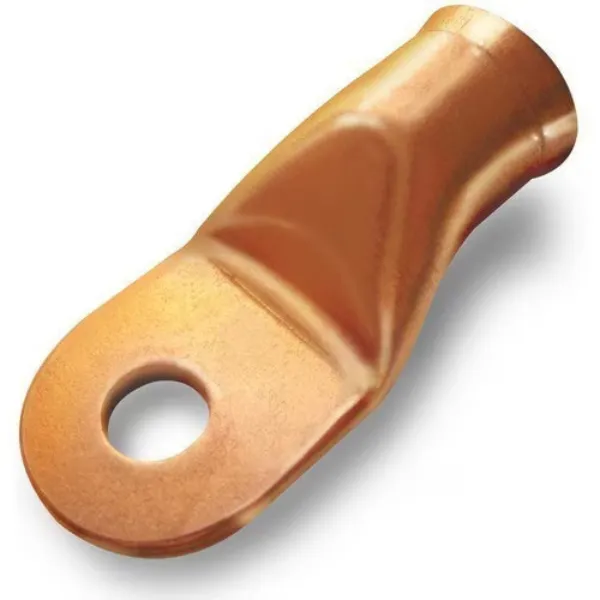
Cable termination is a small part of an electrical installation physically, but it plays an important role in creating dependable connections. Copper Cable End Lugs provide a termination interface between suitable copper cables and electrical equipment, busbars, terminals and other connection points.
Correct lug selection depends on cable size, conductor material, terminal arrangement and installation method.
Match the Lug to the Cable
The first rule is straightforward. The termination component should be compatible with the cable it is intended to terminate.
Procurement and installation teams should verify the cable conductor size rather than selecting a lug based on visual judgement.
Using an unsuitable size can create installation difficulties and may prevent the intended termination from being formed correctly.
Check the Terminal Connection
The cable side is only half of the selection process.
The palm and hole configuration of Copper Cable End Lugs should also correspond with the equipment terminal or connection point.
Before ordering, verify:
- Cable conductor size
- Conductor material
- Stud or bolt requirement
- Palm dimensions where specified
- Lug type
- Quantity
- Project specifications
This information is particularly useful when many cable sizes are included within the same project.
Crimping Quality Is Critical
A suitable lug can still perform poorly if it is installed incorrectly.
The crimping tool and die should be appropriate for the lug and conductor arrangement. Installation personnel should follow the approved procedure rather than relying on improvised tools.
Cable preparation also matters. The conductor should be prepared carefully without unnecessary damage before insertion and crimping.
Organise Lugs by Cable Schedule
Large electrical projects can require hundreds or thousands of termination components across different cable sizes.
Ordering them without reference to the cable schedule can lead to shortages in some sizes and excess inventory in others.
Procurement professionals can reduce this problem by preparing lug quantities from approved cable schedules, panel requirements and equipment termination details.
S.V. Metals & Extrusions Pvt. Ltd. includes cable lugs among its electrical product categories in Greater Noida, alongside cable management and earthing products.
For contractors working across Uttar Pradesh and the wider NCR region, consolidating termination requirements before procurement can simplify material planning.
Inspect Materials Before Installation
When lugs arrive at site, basic verification should take place before they are issued for installation.
Check product dimensions, cable size marking where applicable, quantity and physical condition against the approved requirement.
Separating different lug sizes clearly in stores can also reduce installation errors.
Reliable Terminations Begin With Correct Selection
Copper Cable End Lugs should never be treated as miscellaneous accessories purchased at the end of a project.
They are part of the electrical connection system and should be specified alongside cables and equipment.
Matching the lug to the conductor and terminal, using appropriate installation tools and organising procurement around the cable schedule can help contractors achieve more consistent termination work across panels, machines and electrical distribution systems.
Keywords