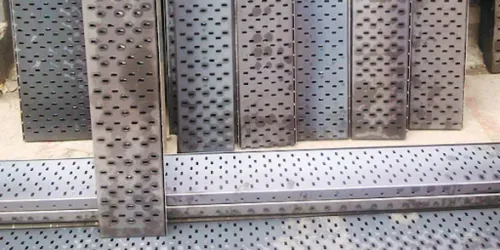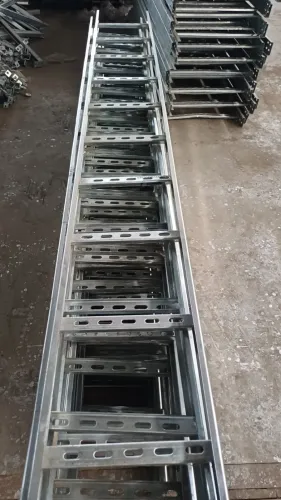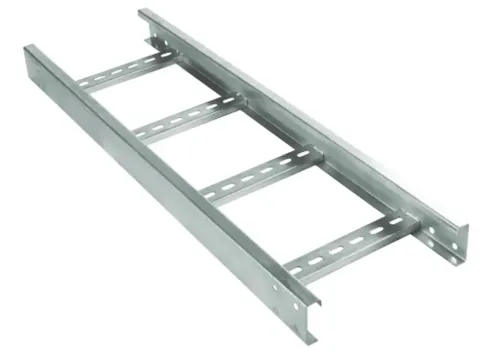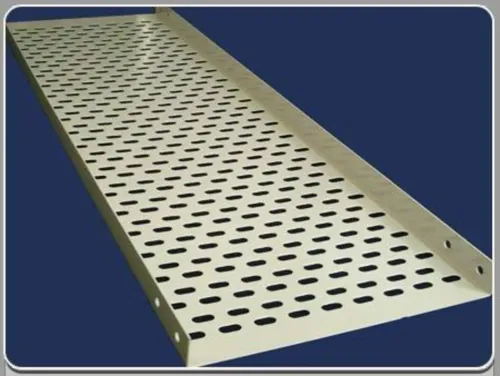
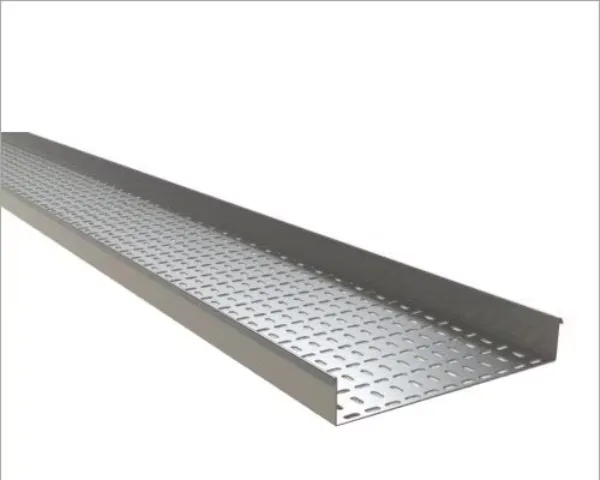
Modern industrial and commercial facilities may contain hundreds or even thousands of metres of electrical, control, communication and instrumentation cables. Managing these cables properly is essential for maintaining an organised electrical infrastructure. This is where Cable Trays become an important part of project planning.
Instead of allowing cables to run through unplanned routes, cable tray systems create defined pathways that support cables throughout a facility. They are commonly considered during the electrical design stage for factories, warehouses, commercial buildings, utility areas and infrastructure projects.
Why Proper Cable Routing Matters
Poorly planned cable routing can create several practical difficulties. Cables may become difficult to identify, maintenance teams may struggle to reach particular circuits, and future additions can become complicated.
A properly planned tray arrangement helps electrical teams maintain systematic cable routes.
It can support:
- Better organisation of power and control cables
- Easier inspection of installed cables
- More convenient maintenance access
- Cleaner routing through plant areas
- Planned separation between different cable groups
- Easier expansion when additional circuits are required
For EPC companies and electrical contractors, these considerations can influence both installation efficiency and long-term maintainability.
Cable Load Should Be Considered Early
Selecting Cable Trays simply by looking at width is not enough. Engineers should consider the quantity, size and approximate weight of the cables that will travel through each section.
A route that carries several heavy power cables has different support requirements from a route containing lighter instrumentation cables.
Design teams should therefore evaluate cable loading before finalising tray dimensions, material thickness and support spacing.
Leaving reasonable capacity for future additions can also reduce the need for major modifications later.
Material and Finish Depend on the Environment
Cable management systems operate in different environmental conditions. An indoor utility room may have different requirements from an outdoor industrial installation exposed to moisture and weather.
Common material choices can include mild steel, galvanised iron, stainless steel and aluminium. Finishes may also vary according to project requirements and the operating environment.
S.V. Metals & Extrusions Pvt. Ltd. provides cable tray solutions from its Greater Noida facility, with product options designed for different cable routing requirements.
For electrical projects across Uttar Pradesh and the wider NCR industrial region, considering the operating environment before selecting the material can help improve service life and reduce unnecessary maintenance.
Route Planning Makes Installation Easier
Tray routing should ideally be coordinated with structural, HVAC, plumbing and other MEP services before installation begins.
Important points include:
- Identify major electrical equipment locations.
- Establish the main cable routes.
- Check available ceiling and wall space.
- Plan changes in direction.
- Determine suitable support locations.
- Keep maintenance accessibility in mind.
- Allow appropriate space for future cable additions.
Good coordination at this stage can prevent clashes between services during installation.
Accessibility Matters After Commissioning
Cable management planning should not end with installation. Engineers should consider what happens when a cable needs inspection, replacement or rerouting several years later.
Accessible tray routes make these activities considerably easier than congested cable paths hidden behind unrelated services.
For industrial project managers and MEP consultants, the right Cable Trays therefore contribute to more than neat installation. They form part of an electrical infrastructure that remains manageable as the facility changes.
A well-designed system balances cable capacity, structural support, environmental suitability, accessibility and future expansion. These factors should be evaluated together before tray specifications are released for procurement.
Keywords