

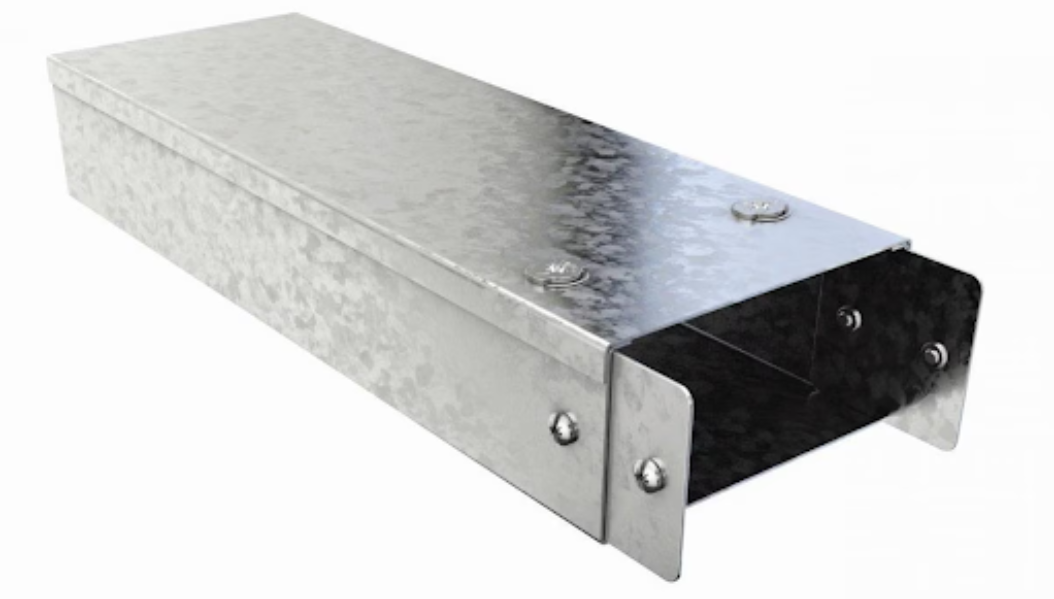
Electrical and communication cables often need to pass through areas where an open cable route may not be the most practical arrangement. A Raceway provides a defined pathway that helps organise and route wiring through commercial, industrial and infrastructure environments.
The system can be particularly useful where cable routing needs to remain structured, accessible and coordinated with the surrounding building services.
Why Raceway Planning Begins With the Cable Route
Selecting a cable management product before studying the route can create unnecessary problems.
The first step should be identifying where cables originate, where they terminate and what obstacles exist between those points.
Designers should consider electrical panels, equipment locations, walls, ceilings, columns and other MEP services.
Once the route is established, the required dimensions, accessories and installation method become easier to determine.
Cable Quantity Influences Raceway Size
A Raceway should provide sufficient usable space for the intended cables without creating unnecessary congestion.
When specifying dimensions, engineers need to consider current cable quantity as well as realistic future requirements.
Useful questions include:
- How many cables will use the route?
- What types and sizes of cables are involved?
- Will additional circuits be installed later?
- Are separate cable groups required?
- How frequently could the wiring need maintenance?
A system sized only for today's minimum requirement may become difficult to manage when the facility expands.
Installation Environment Affects Product Selection
Raceways may be installed in different areas of a building or plant. Indoor utility spaces, production areas and exposed locations can have different environmental conditions.
Material and finish selection should therefore consider factors such as moisture exposure, physical contact, corrosion conditions and project specifications.
S.V. Metals & Extrusions Pvt. Ltd. includes raceways and trunking within its electrical infrastructure product range from Greater Noida, supporting requirements associated with organised cable routing.
Accessories Can Determine Installation Quality
Changes in direction are unavoidable in most real projects.
A well-planned installation considers bends, junctions, transitions, supports and connection points as part of the original material schedule.
Waiting until installation begins to determine these components can lead to unnecessary cutting, fabrication and delays.
Detailed route measurements and coordinated drawings can reduce these issues considerably.
Maintenance Access Should Remain Practical
A cable pathway should not only look organised on the day the project is completed.
Maintenance personnel may later need to inspect cables, trace circuits, replace damaged wiring or install additional cables. The route should therefore remain reasonably accessible after other building services are installed.
This is especially relevant in rapidly developing industrial and commercial areas around Greater Noida and the wider Uttar Pradesh NCR belt, where facilities may expand their electrical infrastructure over time.
Good Cable Management Supports Future Changes
The value of a Raceway lies in creating a predictable and manageable route for wiring.
Correct sizing, suitable materials, planned accessories and coordinated installation can make future electrical work easier.
For contractors and project engineers, thinking beyond initial installation helps create cable management infrastructure that continues to serve the building as electrical requirements evolve.